blogs
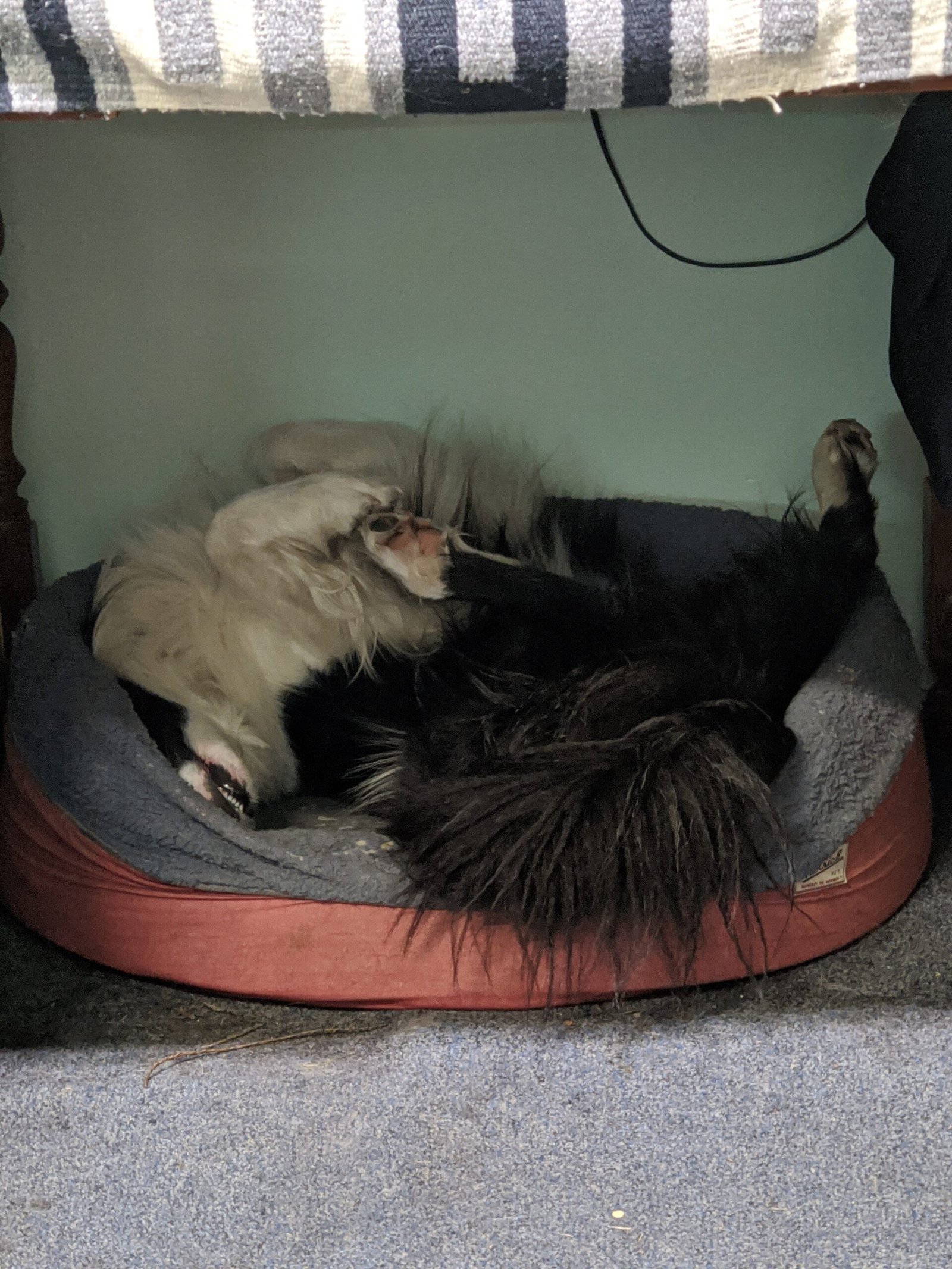


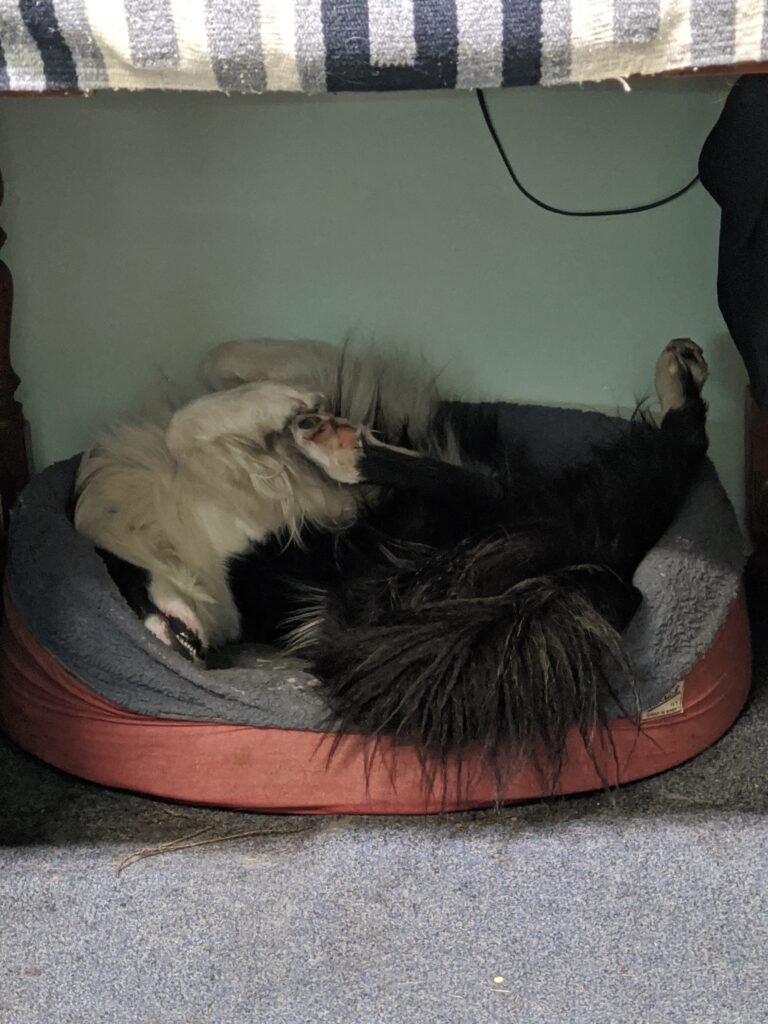
Let Sleeping Dogs Lie!
Why Is Dog Training Important and It’s Worth
Dogs are not just pets; they are partners to share your life, a friend of the utmost loyalty, and just pure joy. This furry creature has long been known as man’s best friend, remaining true to you the whole life. However, these lovely traits of a dog do not exclude the necessity of dog behavior modification training.
While the love for your furry friend is unquestionable, the practical aspect of ensuring a well-behaved and disciplined dog often takes center stage. The training not only refines your pet’s behavior but also helps strengthen the bond.
If you have a pet and you hesitate to have them trained, let us tell you why dog training is not just an option but a necessity for both the pet and…
How Much Does Dog Training Cost?
Domesticated some 23,000 years ago, the dog is the most popular pet on this planet. Bringing a faithful friend into your life can be an incredibly fruitful experience, but it also comes with its fair share of challenges.
One of the most common challenges is ensuring that your furry companion is well-behaved, obedient, and able to coexist peacefully with your family and other pets.
This is where types of dog training come into play, modifying the pet’s behavior and fostering love between you both.
However, before embarking on this transformational journey…

10 Types of Dog Training Methods
As per Forbes, dogs are among the most popular pets in the US, reaching the figure of 65.1 million households.
As the demand for these beloved pets continues to rise, an increasing number of people are becoming eager to invest in the training and well-being of their canine companions.
However, due to the high cost of dog training, they look for cost-effective alternatives like self-style training.
Self-style training, although promising for a stronger pet bond, requires excellent study of the resources and comprehension of various types of dog teaching methods to get it perfectly.
If you are also among those inclined toward self-style dog training and ready to dive deep into it, our crafted read can help you with a good start…
How do I find the right trainer for me and my dog?
There are numerous ways to train dogs. Each animal has their own way of learning and what motivates them. I prefer a choice/ reward, game-based teaching plan where the learner has the opportunity to get reinforced with food, toys, or play. Using things that motivate them rather than techniques that focus on using fear, intimidation, pain, or punishment, when the desired behavior isn’t achieved. Look for a trainer that uses only reward-based training and avoid any that advocate methods of physical force that can harm your pet such as hanging dogs by collars or hitting with their hands, feet, or leash jerks, that can do damage to your pet. We all learn much better when we are reinforced for good or desired choices.
I have a new Puppy! Now What???
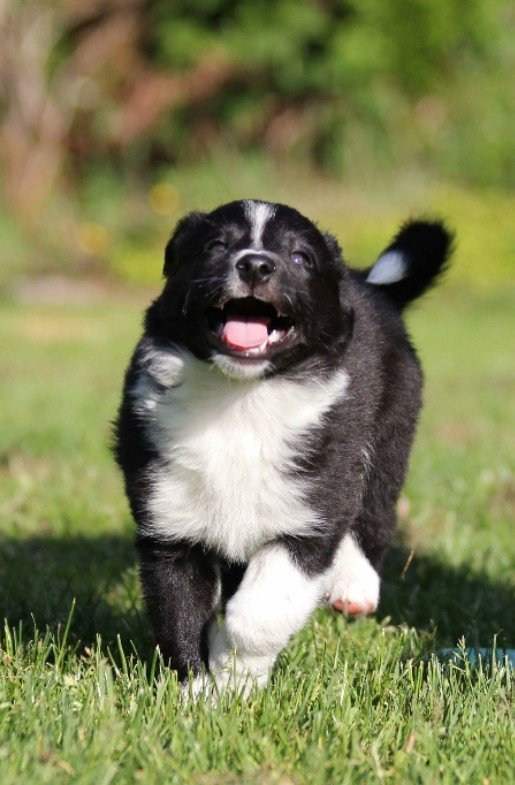
When you bring your new puppy home at 8-9 weeks old, there’s much excitement and confusion for a new
puppy in a new home. They’ve never been separated from their mother and littermates and have no idea what’s happened in their once small world.
I’d like to share with you what a day in the life of one of my puppies would look like and why I do things this way.
At night, my puppy sleeps in their crate next to my bed. They can see and hear me throughout the night. Allowing your pup to sleep in a crate in your room offers them the comfort of having other beings close by Much like when they were with their mother and litter- mates. It lessens their anxiety…
Social Distancing for Puppies???
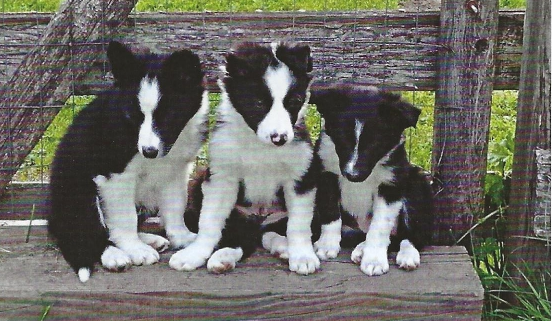
With the holidays behind us, I thought this would be a brilliant time to address new puppies coming into a home and how to properly socialize them. This pandemic has impacted not only us humans, but also dogs and new puppies being brought into a family. professional dog trainer, I have seen more than my fair share of unsocialized or poorly socialized pups.
A puppy’s primary imprint development starts at around 6-8 weeks of age and lasts until about 12-18 weeks of age.
During that time, what happens in the puppy’s life holds throughout their life.
Good experiences are remembered, and bad experiences are too…
Gait Analysis
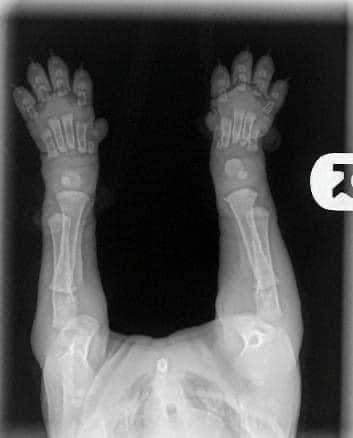
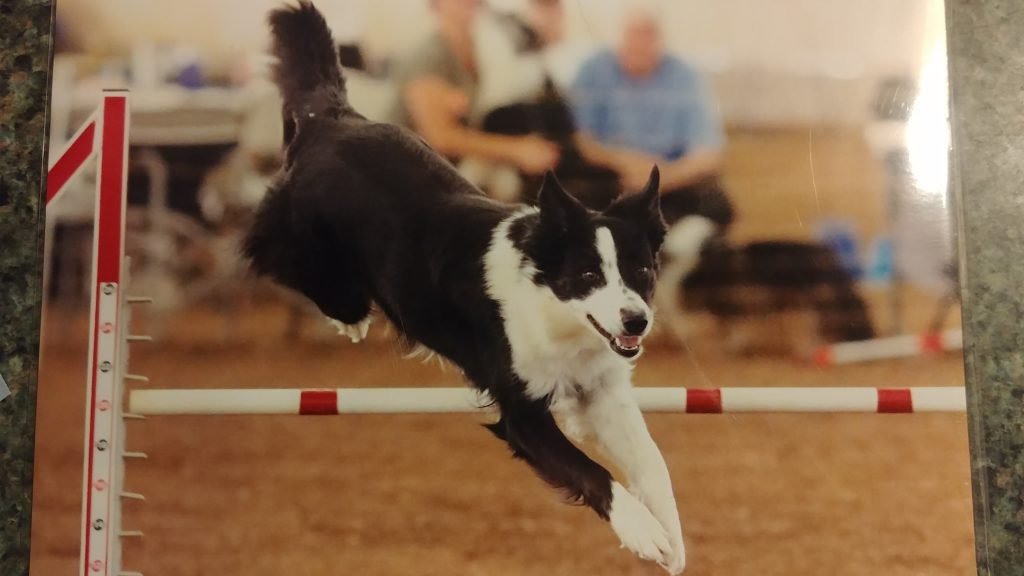
Over the course of the summer, a huge focus for me has been teaching people about gait analysis. This is something I always do one-on-one with clients but noticed a desire from the general public to know more. I have been so impressed with the amount of people who have grasped the concept and put some of it to use with their own dogs. You are amazing and are influencing the discussions and methods around training equipment, gait analysis and dog sports.
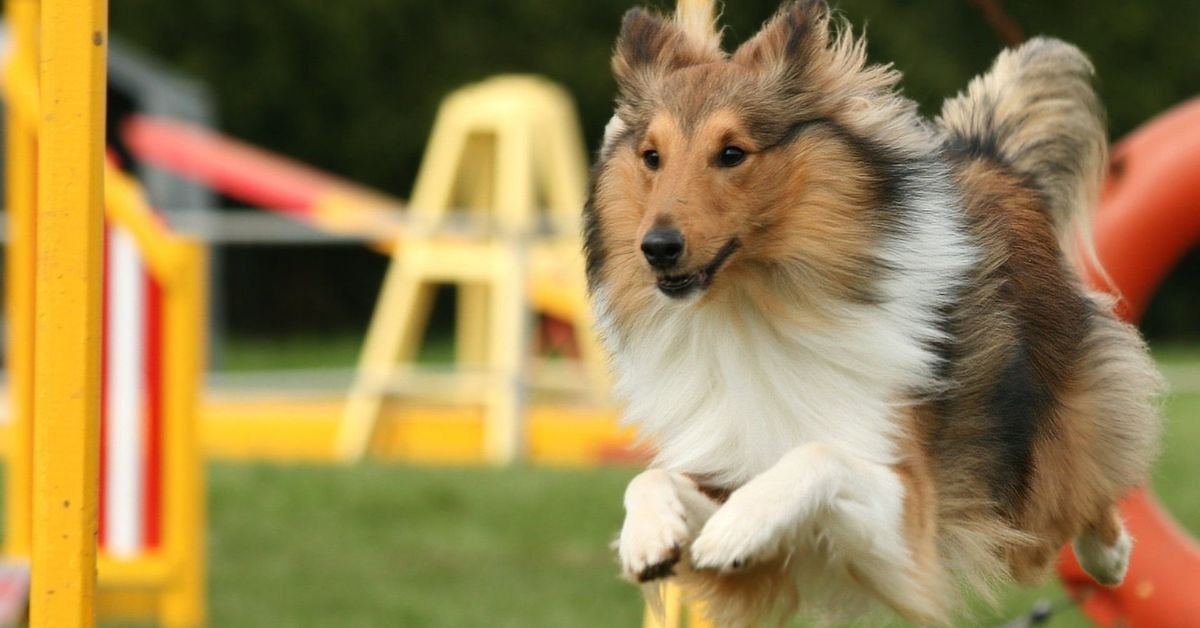
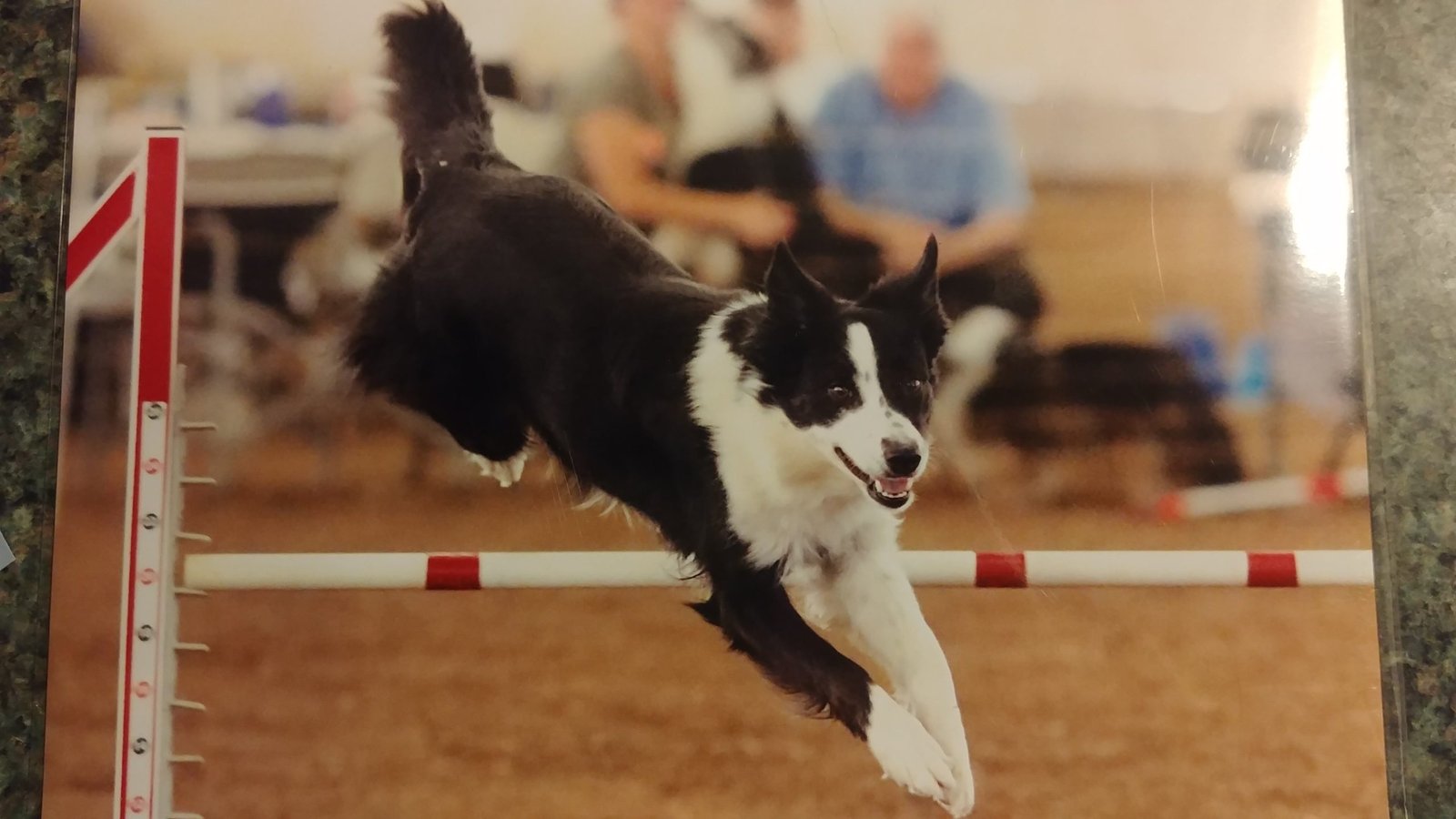
My fascination with structure and gait started years ago when I actively started competing in Agility. I had an amazing training partner who had a great eye for gait. She identified inconsistencies in my dog’s gait that needed to be addressed.
3-D Dog Training
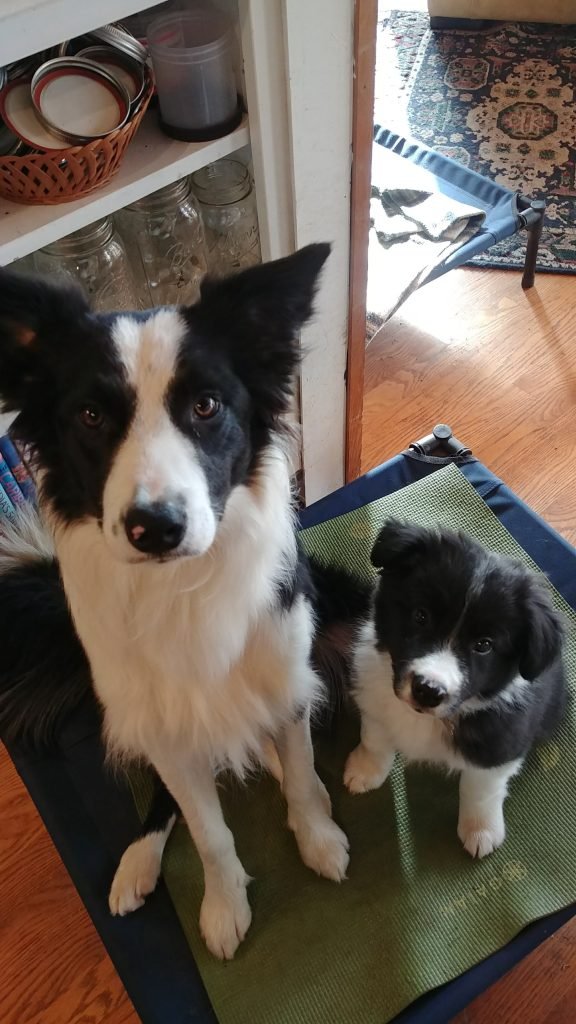
When I’m training my dogs, I keep three key elements in mind to create brilliance in the behaviors my dogs are learning. By strategically adding duration, distance, and distraction to our lessons, we build confidence that they can perform these behaviors with complete understanding anywhere I ask. The Three D’s for Learning:
Duration: The length of time the dog is expected to maintain the response.
Distance: The distance the dog is away from you or the high value reward or distraction to perform the behavior.
Distraction: The dog’s distractions are what is distracting for the dog while performing what you’re asking…
Learning to change Your Dog’s T.E.M.P.
have been able to study your dog or someone else’s dog, so you can see and hear what they’re trying to say. Recognizing what a dog is communicating, can turn a bad situation around. Recognize any dog that’s in “fear mode” is capable of fight or flight. Getting away will usually be their first choice. If that’s not possible, “fight mode” may kick in and can escalate very quickly from a low growl to an all-out bite or fight. Remember to not punish your dog for his growl. He has no other way to give a warning of being uncomfortable. Try to learn and see the signs ahead of time…
What’s your Dog’s T.E.M.P.
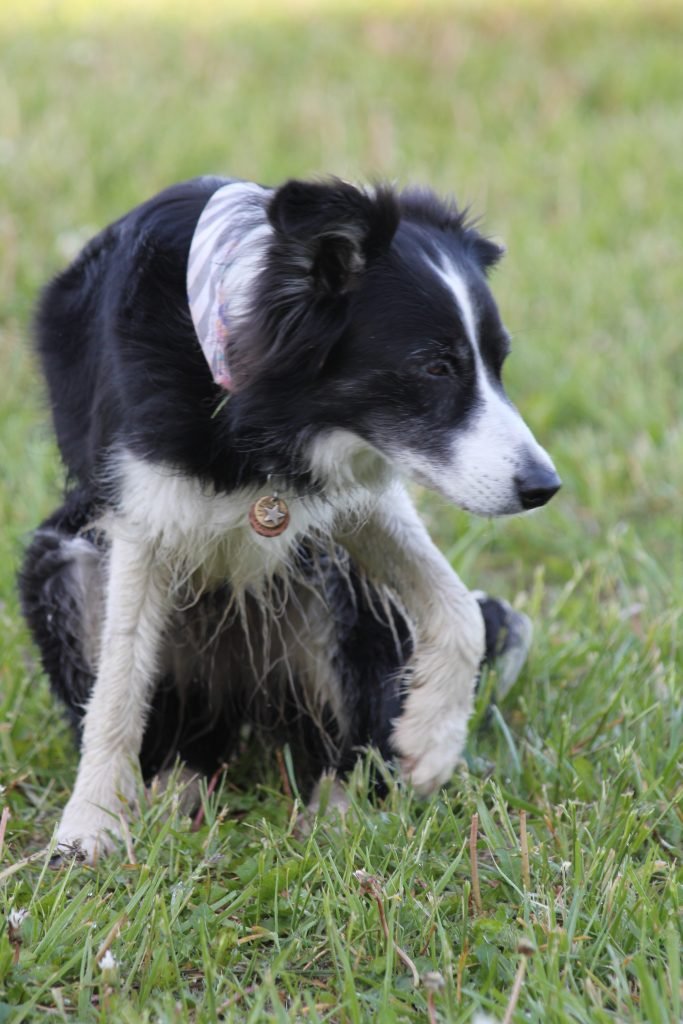
As a Dog Trainer, I get asked a lot, “How do I get my dog to not jump on people?” If you’ve read my past two articles, you may have an idea of where I’m heading with this…
Because I compete in Agility, I DO want my dogs to jump. AND… I’ve also taught them to jump on me… by invitation. For me, it has purpose, but this article is for those of you that don’t want that behavior.
You don’t have to be a professional dog trainer to teach this. Knowing what you want your dog to DO, is all you need. As we’ve discussed previously, most train from a mindset of “Don’t.” Don’t jump on me, bark, bite, chase, etc. Dogs understand DO…
Can You Do It In a Box?
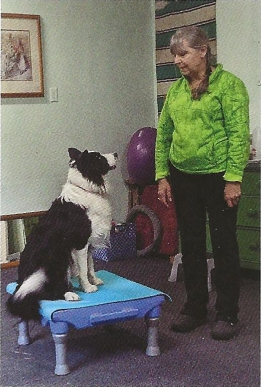
Let’s look at a simple behavior like “Sit.” It’s something most of us will teach our dogs to do. Likely, your dog will sit each and every time you are in the kitchen with a treat in your hand. But then…. You’re on the front porch when a dog walks by and you ask your dog to sit. What’s his choice? A massive amount of complexity has just been added to a seemingly simple behavior for the dog that he’s not been prepared for in his education, right? There are layers of learning to any behavior that we want to teach our dogs. Distractions are strategically added in by us to protect our dog’s confidence and grow his capability to perform the learned behavior anywhere we ask…