Blog
Let Sleeping Dogs Lie!

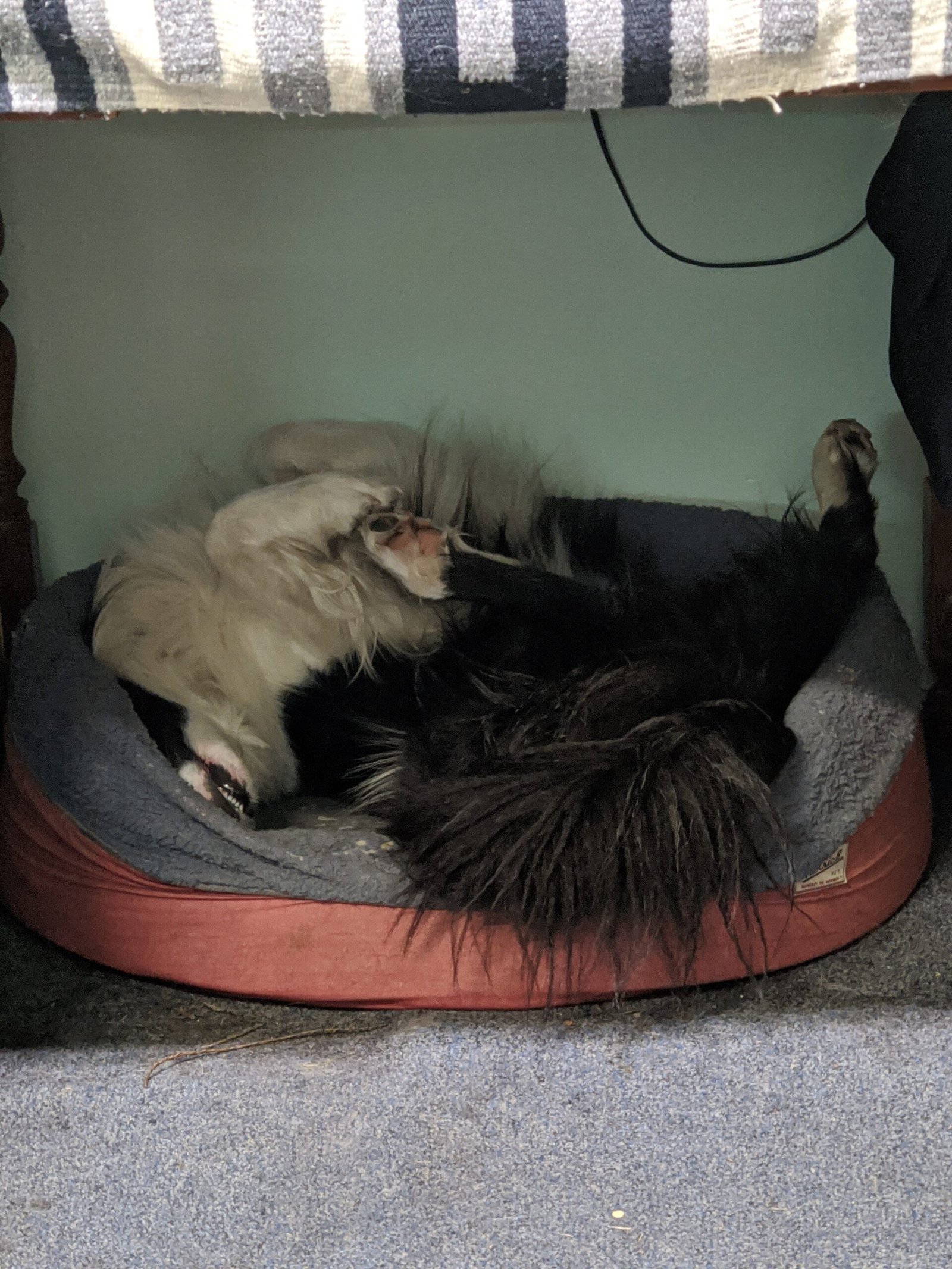
This is one of the very first questions I ask in an initial behavior consult:
“How much does your dog sleep during the day?”
Each time, people look surprised at the question. They were ready to tell me all about the reactivity with other dogs on walks, barking at the window, seperation anxiety, jumping up on people, pulling on leash, etc.
Sleep seems unrelated. But behavior is NEVER isolated.
What your dog does is not happening in a sterile bubble. It’s shaped by everything they experience during the day.
That’s why I always ask about sleep.
Almost always, the answer is some version of:
“He’s awake most of the day.”
“She’s always on the go.”
“He doesn’t really nap.”
Often this gets labeled as a personality trait. Some people see it as a badge of honor- a true working dog who’s always alert, always ready, always moving. That’s not how dogs are designed.
Dogs don’t have the same day/night rhythm that humans do. We can be awake for 16 hours straight and function reasonably well.
Dogs CANNOT.
Dogs need to sleep or nap every 3-4 hours. When they don’t, we start to see fallout:
Lower patience
Reduced impulse control
Shorter fuse
More reactivity
More stress
And here’s the trap:
An over tired dog often can’t settle by themselves anymore. they get wired, cranky and restless. They react more and struggle to calm down. Which means, they still don’t sleep.
This is how dogs end up in a cycle of chronic stress and chronic sleep deprivation. If a dog never naps, it’s not because they “don’t need sleep.” It’s because they’re too dysregulated to get it on their own.
That’s why I don’t wait for dogs to figure this out for themselves. I actively “prescribe” naps.
That means:
-a quiet room away from the household activity (eg; a bedroom)
-a genuinely comfortable bed (not just a thin blanket! Think extra plush bed with walls they can snuggle up against).
-toys put away
-other pets seperated
-no access to self-triggering, eg; at the window
-background sound like white noise, a fan or soft music
Then we start with scheduled nap times. Two naps a day, around 2 hours each. The shift is remarkable!
Well-rested dogs are:
More patient
Less impulsive
Better learners
Less reactive
Sleep is also when learning consolidates. So if you’re working on behavior modification or reactivity training, Sleep isn’t optional. It’s part of the process.
if your dog doesn’t nap, that’s important information. This is not, “who your dog is”. It’s not a sign of being extra energetic or driven.
It’s a sign that they really need your help to get the restful sleep they need to live thier happiest, least stressful lives and make progress in their training!!